

Being told you “failed” roadside tests by a Dayton officer can feel like your OVI case is already lost. You might be replaying the scene in your head, wondering if you stepped off the line once or swayed a little, and assuming that those moments will follow you straight into a conviction. That sense of panic is exactly what many people feel as soon as the handcuffs go on.
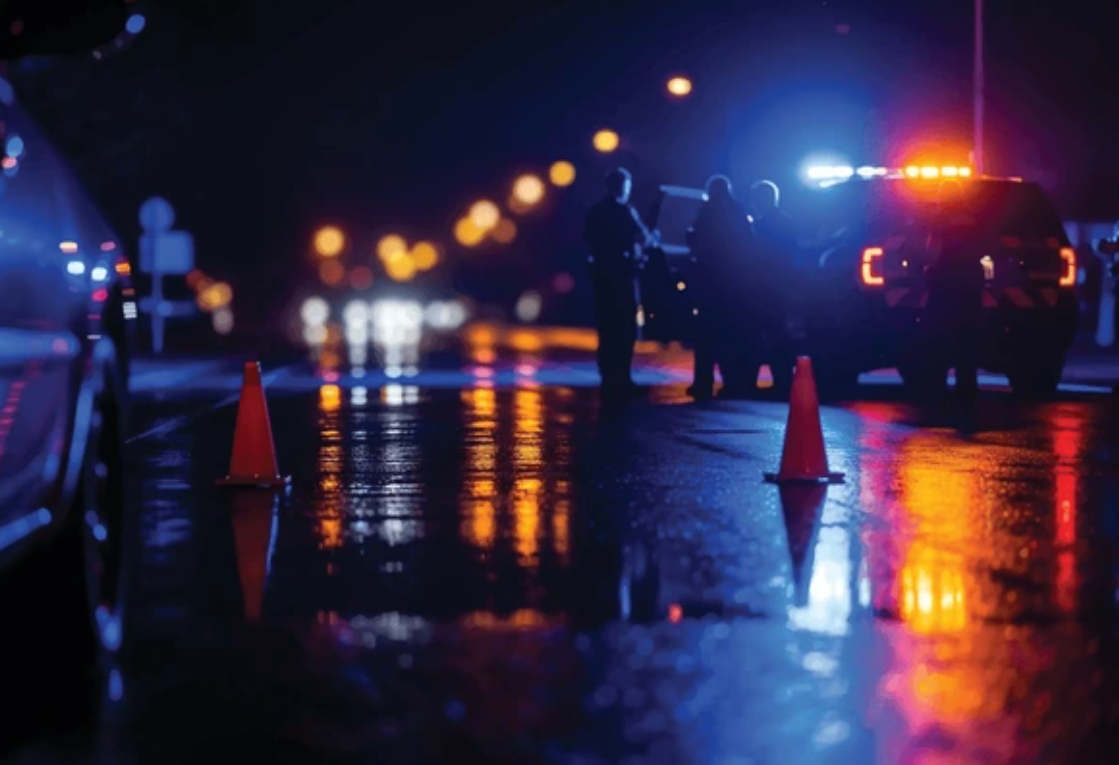
Maybe you were stopped on I‑75 near downtown, on Wilmington Pike in Kettering, or on a neighborhood street in Riverside. The officer asked you to step out of the car, stand in front of the cruiser, and follow a pen with your eyes, walk heel to toe, or balance on one leg while traffic rushed by. You felt nervous, confused by the instructions, and unsteady on the shoulder, and now you are trying to figure out what those tests really mean for your OVI charges. We have worked with many drivers in Dayton and the surrounding communities who were arrested after field sobriety tests and assumed there was nothing left to fight. In reality, these tests come from national guidelines, and they only carry weight if officers perform them correctly and in fair conditions. At Kane Law, we regularly obtain Dayton police and Ohio State Highway Patrol bodycam footage and reports to see how these tests were done, and we use what we find to build defense strategies tailored to local courts.
What OVI Field Sobriety Tests Are In Dayton
In Ohio, OVI stands for “Operating a Vehicle Impaired.” It covers alcohol and drugs, and it applies whether you are accused of being over the legal limit or simply “under the influence” based on the officer’s observations. Field sobriety tests are a major part of those observations. They are a series of physical and eye movement tasks officers ask you to perform on the roadside before deciding whether to arrest you and request a breath, blood, or urine test.
Most drivers in the Dayton area experience these tests as balance and coordination challenges. The officer might ask you to walk a line, stand on one foot, or follow a pen or light with your eyes. You are doing this on the side of the road, often at night, with flashing lights, nearby traffic, and the stress of a possible arrest in the back of your mind. The officer is not just watching you generally, they are trained to look for very specific “clues” that they later write up in their report.
There is an important difference between standardized field sobriety tests and non standard tests. Standardized tests are three specific exercises developed through federal research and laid out in National Highway Traffic Safety Administration (NHTSA) manuals. They come with detailed instructions, scoring systems, and training for officers. Non standard tests, like reciting parts of the alphabet or touching your nose, do not have that level of validation and depend much more on the officer’s personal judgment.
In a typical Dayton OVI stop, officers will run your license and registration, ask a few questions, and if they say they smell alcohol or see signs of impairment, they will ask you to get out of the vehicle for field sobriety testing. How you perform on those tests can heavily influence their decision to arrest you and can show up later in the prosecutor’s file. That is why we treat field sobriety testing as a central part of the case when we review body worn camera video and written reports for our clients.
The Three Standard Field Sobriety Tests Officers Rely On
Across Ohio, including Dayton, officers receive training in three standardized field sobriety tests. These are the Horizontal Gaze Nystagmus test, the Walk and Turn, and the One Leg Stand. Each test is supposed to be given in a very specific way, and officers are taught to count “clues” that supposedly relate to impairment. Understanding what they were looking for during your stop helps you see where things may have gone wrong.
Horizontal Gaze Nystagmus (Eye Movement Test)
The Horizontal Gaze Nystagmus, or HGN, test is often the first one an officer uses. You are asked to keep your head still and follow a small object, usually a pen or fingertip, with your eyes. The officer moves the object smoothly side to side, closer to your nose, and then out toward your shoulders, while watching for tiny jerking movements of your eyes. These jerks are called nystagmus, and some research links certain patterns of nystagmus to alcohol consumption.
On paper, HGN sounds scientific. In practice, the test depends heavily on technique. Officers are supposed to hold the stimulus at a specific distance from your face, move it at a certain speed, and pause for set periods when checking for nystagmus. They should ask about eye problems, head injuries, or medical conditions first. If they move the pen too fast, hold it too high, do not pause long enough, or stand where streetlights or passing traffic reflect in your eyes, the “clues” they record may have little to do with alcohol at all.
Many perfectly sober people have natural nystagmus. Others experience it because of fatigue, certain medications, or neurological conditions. When we review HGN on bodycam footage from Dayton stops, we are not just taking the officer’s word that they saw a certain number of clues. We look closely at whether they followed their training, whether your medical history offers another explanation, and whether the conditions on the roadside made accurate observation realistic in the first place.
Walk and Turn & One Leg Stand Balance Tests
The Walk and Turn test is a “divided attention” exercise, meant to check your ability to follow detailed instructions while maintaining balance. The officer first demonstrates the position and explains the task. You are usually asked to place one foot in front of the other, heel to toe, with your arms at your sides, while listening to a long set of instructions. Then, when told to begin, you walk a specific number of steps along an imaginary or painted line, turn in a particular way, and walk back, all while keeping your heel and toe together and counting your steps out loud.
Officers mark “clues” such as starting too soon, stepping off the line, leaving a gap between heel and toe, using arms for balance, turning improperly, or taking the wrong number of steps. The One Leg Stand works the same basic way but with a different task. You lift one foot about six inches off the ground, keep your leg straight, look at your raised foot, and count in a steady rhythm until the officer tells you to stop. Swaying, putting your foot down, hopping, or using your arms for balance are all considered clues.
These tests assume that you have good balance, no injuries, and no underlying conditions like inner ear problems. They also assume that you are standing on a flat, dry, non slippery surface in reasonable shoes. Many Dayton roadside shoulders are sloped, gravelly, cracked, or icy during the colder months. Trying to walk an invisible line or stand on one foot on the edge of a sloping shoulder on U.S. 35 while cars pass by can challenge anyone’s balance, drunk or sober. When we evaluate these tests, we compare what the officer did and where they had you stand against what their training says and what the video shows about the actual conditions.
Non Standard Tests Dayton Officers Still Use
Not every test you faced on the roadside is part of the standardized set. In the Dayton area, we regularly see officers ask drivers to touch finger to nose, say parts of the alphabet, count backwards, or perform other small tasks. These non standard tests are not part of the NHTSA validated group of three, and there is no widely accepted scoring system or research base that connects specific mistakes on these tasks to a reliable measure of impairment.
For example, an officer might ask you to start at a certain letter and recite to another letter, or to count backwards from one number to another. Nervousness, language differences, learning disabilities, or simple misunderstanding can cause stumbles here, even when someone has had no alcohol at all. Likewise, finger to nose tests rely on small muscle control and coordination that can be affected by fatigue, medications, or even how cold your hands are on a winter night in Montgomery County.
Because non standard tests lack the same structure and backing as SFSTs, they are more subjective and depend largely on how the officer perceives your performance. Two different officers might interpret the same performance very differently. When these tests show up in reports from Dayton OVI stops, we treat them with healthy skepticism. We look at them in the context of all the other evidence and highlight for the court that they do not carry the same claimed reliability as the standardized tests.
In our experience, challenging the weight given to non standard tests can be important, especially in cases where chemical test numbers are close to the legal limit or where there are plausible explanations for what the officer saw. By pointing out the lack of standardized scoring and the role of anxiety, language, and conditions, we can help the judge or prosecutor see that these tests tell a much less clear story than the state suggests.
Why Sober Drivers Can Fail Field Sobriety Tests
Many of the people we talk to at Kane Law insist that they were not impaired yet still “failed” field sobriety tests. That situation is more common than most drivers realize. Field tests measure how you perform in a very specific moment under stressful conditions, not whether you are guilty beyond a reasonable doubt. There are many reasons a sober person in Dayton might struggle with these exercises.
Physical and medical conditions play a big role. Prior leg or back injuries, arthritis, weight issues, inner ear disorders, and neurological conditions can all affect your ability to balance or walk in a straight line, especially on an uneven surface. Vision problems, contact lenses, and certain medications can influence how your eyes move during the HGN test. A driver with diabetes, for example, might experience dizziness or unsteadiness if their blood sugar is off, and that has nothing to do with alcohol.
Environmental factors on Dayton roads also matter. Officers often conduct tests on sloped shoulders, gravel pull offs, or broken sidewalks. In winter, ice, snow, and cold can make standing still or balancing on one leg very difficult. Poor lighting, distracting traffic noise, and flashing emergency lights affect your focus and depth perception. Even what you are wearing matters. Dress shoes, high heels, sandals, or heavy work boots make heel to toe walking far more challenging than sneakers would.
Then there is the mental side. Being stopped by law enforcement is stressful for anyone. Many people are shaking, breathing quickly, and focused on not saying the wrong thing instead of calmly listening to a long string of instructions. For drivers whose first language is not English, especially Spanish speakers in the Dayton community, subtle differences in phrasing or speed of speech can cause real confusion. If you only partly understand multi step instructions, your performance may look “impaired” when, in reality, language was the barrier.
We pay close attention to all of these factors when we prepare a defense. Our bilingual English and Spanish representation helps us gather a clear account from clients who may have struggled with instructions, and we document medical issues through records and, when needed, medical providers. Then we compare your situation against what the officer wrote and what the video shows. That detailed, fact driven approach often reveals that what looked like “failing” tests was actually the product of health, environment, and communication, not intoxication.
How Dayton Courts Treat Field Sobriety Test Evidence
Field sobriety tests are only one part of an OVI case in Ohio, but they can carry considerable weight. Prosecutors in Montgomery County and surrounding areas often rely on an officer’s description of your performance to argue that you were impaired, especially if the breath or blood test result is close to the legal limit or if you refused chemical testing. Judges and juries may initially assume that poor performance means you were drunk unless the defense gives them a reason to look deeper.
Ohio courts generally expect the state to show that the officer was trained in standardized field sobriety testing and that they substantially complied with accepted procedures. That means prosecutors typically need to show that the officer completed SFST training and followed, at least in broad terms, the steps laid out in the NHTSA manuals. When the officer cuts corners, changes instructions, or chooses clearly unfair testing conditions, the defense can argue that the results should carry less weight.
Field sobriety evidence also interacts with chemical tests. If you submit to a breath test at the station and the result is high, the state will use that number along with the officer’s observations to build its case. If you refuse, or if there is a question about the test’s accuracy, the field tests become even more central. In either situation, the strength of the state’s case and your defense options can shift depending on how strong or weak the field sobriety evidence looks under close examination.
Because we practice in Dayton and the surrounding courts, we see how local judges and prosecutors respond to field sobriety challenges on a regular basis. Our strong ties within the local legal community give us a realistic sense of which arguments tend to get attention and how different courts view particular types of errors. That local experience helps us advise you honestly about how SFST issues in your case may affect potential negotiations or trial strategies.
Ways We Challenge Field Sobriety Tests In An OVI Defense
Defending an OVI case that involves field sobriety tests is not about making excuses. It is about comparing what actually happened at the roadside to what officers are supposed to do and then using those differences to create reasonable doubt. At Kane Law, we approach these cases from multiple angles, looking at the stop, the officer’s training, the environment, and your personal circumstances together rather than in isolation.
Our first step is usually to obtain every piece of available evidence. That includes body worn camera and dashcam footage from the Dayton Police Department, Montgomery County Sheriff’s Office, or Ohio State Highway Patrol, along with written reports and any forms the officer completed about your field sobriety performance. We analyze the video carefully, often watching it several times to see whether instructions match what the manuals say, whether timing and positioning look right, and whether the surface and lighting appear safe and fair.
We also look at the officer’s background. When it is relevant and available, we examine training records to confirm that they completed standardized field sobriety training and to understand what version of the curriculum they were taught. During cross examination, we can question officers about specific steps they skipped or altered, for example failing to ask about medical conditions before testing or having you perform balance tests on a steep, gravel shoulder on I‑675.
Your own health, history, and language needs matter just as much. We talk with you about any prior injuries, surgeries, mobility issues, or conditions that affect your balance or vision. We gather documentation where appropriate. For clients who speak Spanish or feel more comfortable in Spanish, our bilingual team makes sure nothing is lost in translation when you describe what you heard and understood at the roadside. By presenting those facts clearly, we can offer the court alternative explanations for what the officer saw.
This comprehensive, multi angle approach has helped us secure positive results for clients facing OVI charges in the Dayton area, especially in cases where field sobriety evidence was a key issue. Every case is unique, and no outcome can be promised, but walking through the details of how your tests were given, and how you performed in those exact conditions, often opens defense strategies that are not obvious at first glance.
What To Do After Field Sobriety Tests In Dayton
If you have already gone through field sobriety testing in Dayton and are now facing an OVI citation or criminal charge, your next steps can affect how strong your defense will be. One of the most helpful things you can do is write down your own account of the stop as soon as possible. Note where you were, what the weather and lighting were like, what shoes you were wearing, what health issues you have, and exactly what the officer said before and during each test. Small details about the road surface or how fast the officer spoke can become important later.
It is also wise to keep all paperwork you received, including citations, bond papers, and any documents related to license issues. Avoid talking about the stop or posting about it on social media. Statements made casually to friends, family, or online can be taken out of context and used against you. Instead, focus on getting legal advice early. Video is not kept forever, and there are often deadlines for court appearances and Bureau of Motor Vehicles actions.
When you contact us for a consultation, we look at your situation in detail. We ask about your medical history, language comfort, and what you remember about the tests, then compare that information with the officer’s version once we obtain reports and video. Because we offer 24/7 accessibility and same day appointments when needed, you can reach Kane Law quickly after your arrest so we can start preserving evidence and preparing a strategy tailored to your case. Our bilingual English and Spanish services help ensure you understand every step of the process and can make informed decisions about your future.
Talk With A Dayton OVI Defense Attorney About Your Field Sobriety Tests
Field sobriety tests are not the final word on your OVI case. They are one piece of evidence, and they are only as strong as the officer’s training, the fairness of the conditions, and the way the tests were carried out. When we break down what happened on the roadside, many clients are surprised to see how much room there is to question the state’s version of events.
If you recently went through field sobriety testing in Dayton and are worried about what comes next, you do not have to sort through the legal and technical issues alone. We can review your stop, explain how local courts typically treat similar situations, and help you decide on a plan that protects your rights and your future. To talk directly with a Dayton OVI defense attorney at Kane Law, call us anytime.